Using a Visual Schedule in Pre-K
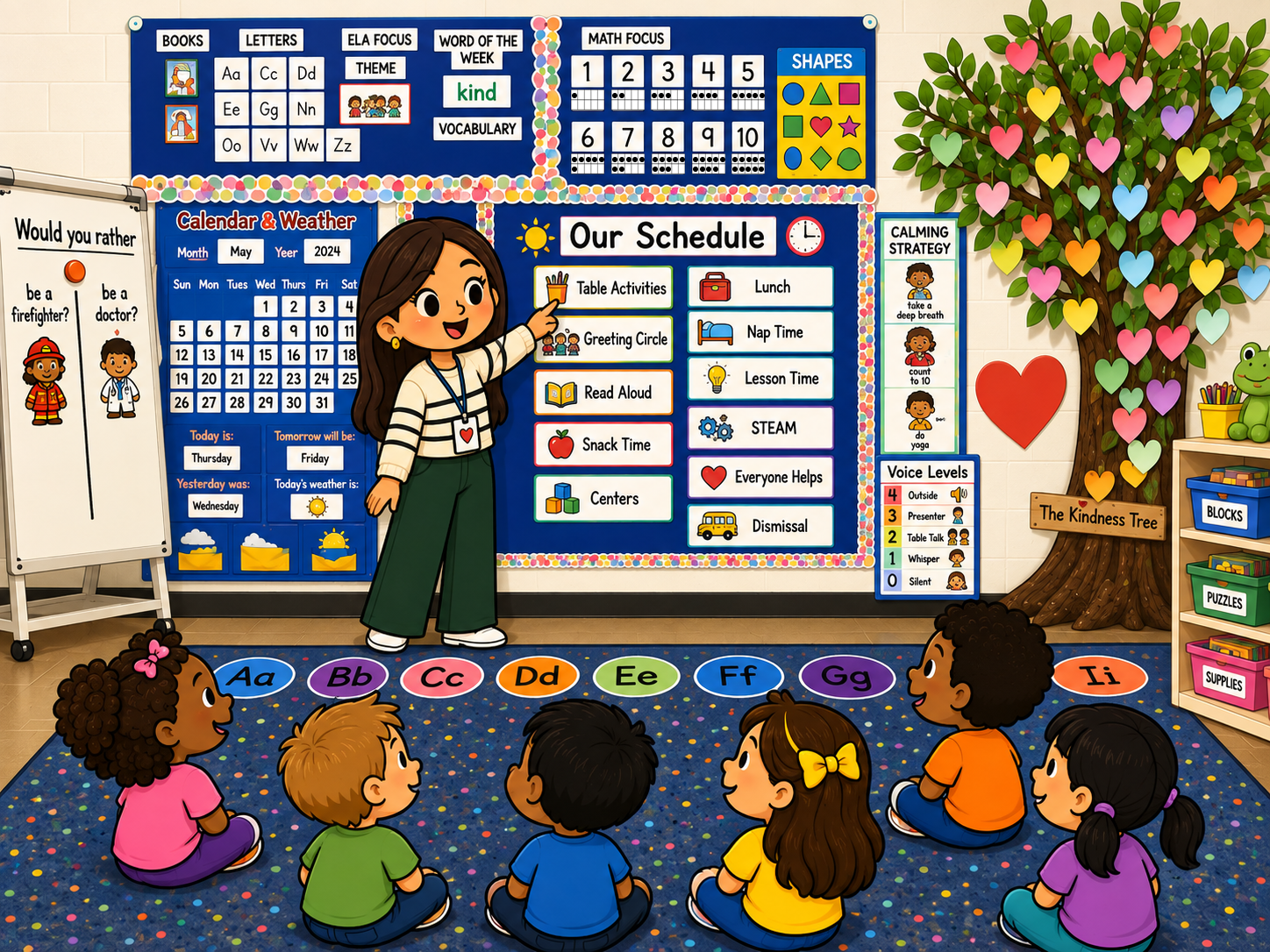
For young children, a visual schedule is much more than a list of what happens next. It becomes a dependable map of the school day. Knowing where they are in the routine and what is coming next gives children a sense of predictability and control, especially during those first weeks when nearly everything about school is new.
In our classroom, the schedule is posted where children can see and use it, and a small foam crayon moves throughout the day to show “where we are now.” The children come to depend on it. If the marker hasn’t been moved after a transition, someone will invariably notice: “Miss Debbie, the crayon needs to be here.” That little correction tells us the schedule has stopped being something the teacher manages and has become something the children use for themselves.
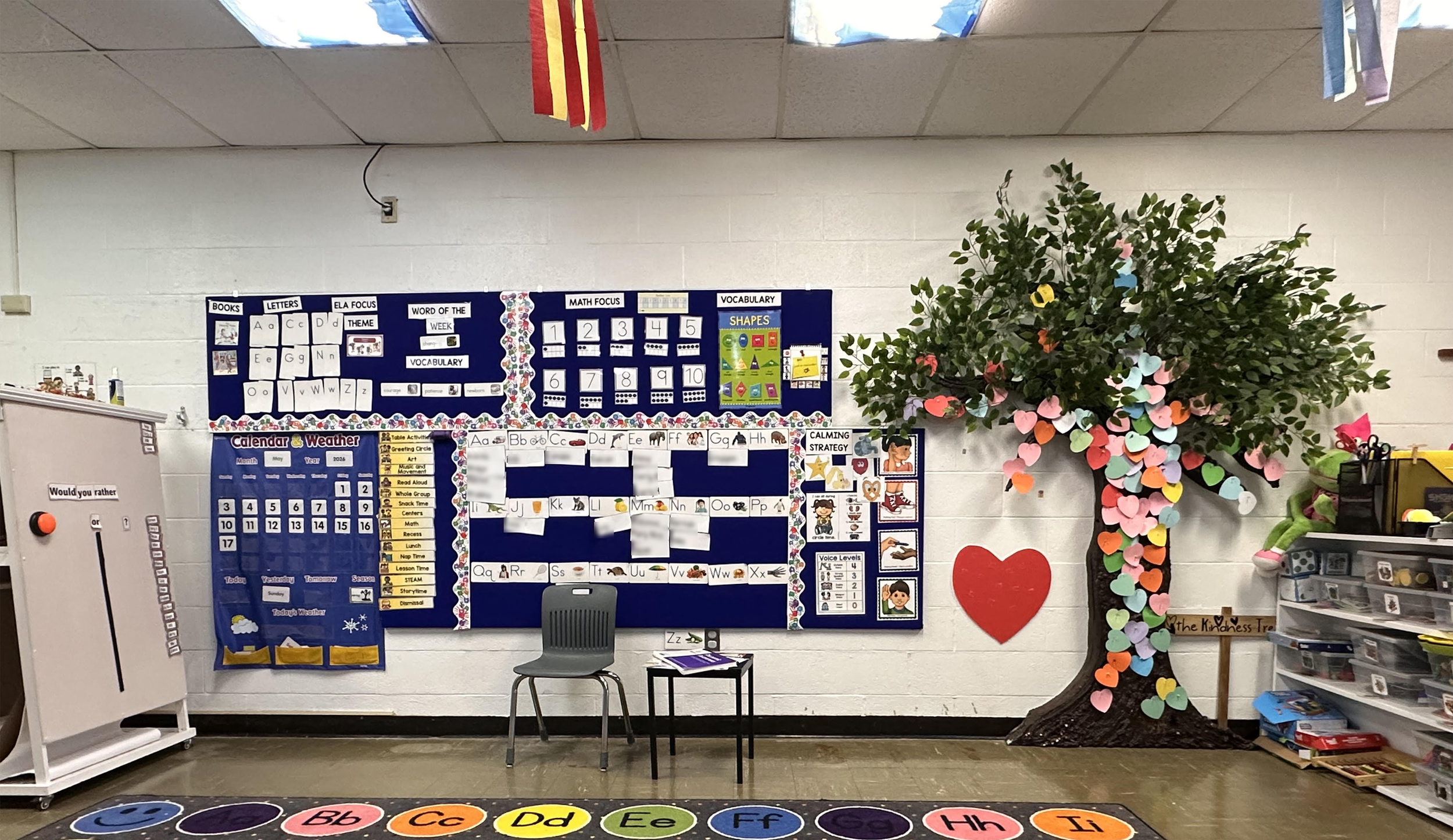
That experience lines up well with established early-childhood practice. Head Start notes that consistent schedules and routines help children feel safe and secure, understand what is happening now and what will happen next, and develop greater independence. Its guidance also recommends reviewing the schedule at the beginning of the day and referring back to it around transitions. NAEYC similarly emphasizes that predictable routines help young children anticipate change, develop competence, and feel a greater sense of security in the classroom.
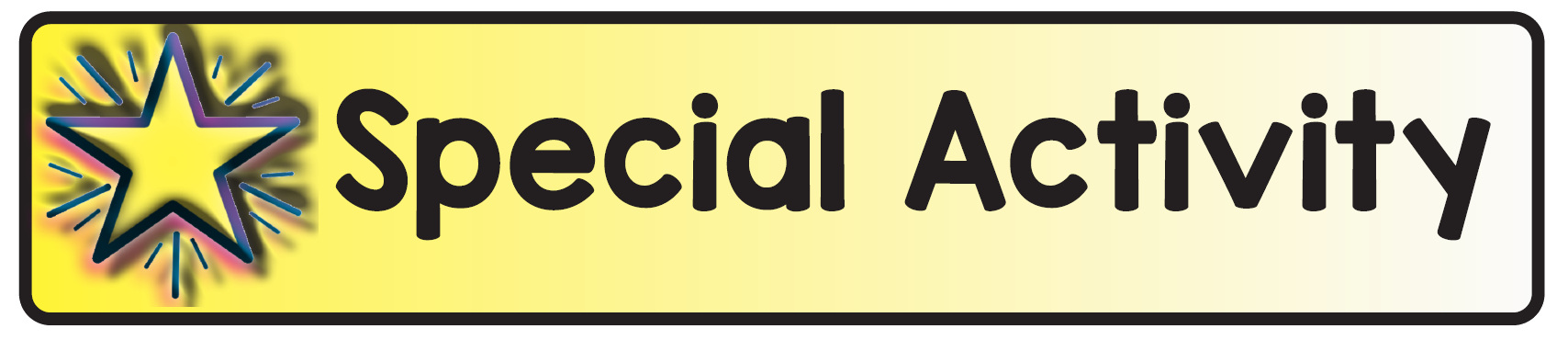
A good visual schedule doesn’t require every day to be identical. In fact, one of its best uses is helping children understand when something will be different. Moving, replacing, or talking about a schedule card before a change gives children time to adjust their expectations rather than discovering the change midstream. Head Start specifically recommends previewing changes and using visual schedules to support transitions. The downloadable set includes a multipurpose “Special Activity” card that we use when the normal routine changes, giving children a visual cue that something different is coming.
The schedule becomes most useful when it is treated as part of the classroom routine rather than simply classroom décor. At the beginning of the day, we can briefly walk through the schedule together. As activities change, the marker moves. Before a transition, we can point to what is happening now and what comes next: “We’re at centers now. After centers, we clean up and go to music.” Over time, children begin doing that thinking themselves.
That is where a visual schedule starts to support much more than behavior. Children are learning to follow a sequence, understand concepts such as before, after, first, next, and later, and connect pictures and symbols with meaning. They are beginning to organize time mentally, even though they are still years away from reading a clock or understanding a written daily agenda.
It also provides another pathway for children who may not process lengthy verbal directions easily. A teacher can say, “After snack we’re going outside, then we’ll come back for a story,” but those words disappear as soon as they are spoken. The visual schedule stays. A child can look back at it, check what comes next, and answer a question independently rather than relying on an adult to repeat the plan.
That independence matters. Instead of asking “What are we doing next?” throughout the day, children gradually learn that there is a place they can go for the answer. For some children, simply being able to check the schedule can reduce uncertainty around transitions. For others, it becomes an early lesson in using visual information to solve a problem.
There is no need to introduce every part of the system on the first morning of school. In the beginning, the teacher may do most of the pointing, explaining, and moving of the marker. As the routine becomes familiar, children can take a more active role. A child might move the crayon after morning meeting, help identify what comes next, or notice that the schedule needs to be changed because of an assembly or special visitor.
And that may be the most useful test of whether a classroom visual schedule is working: the children notice when it is wrong.
When a four-year-old reminds the teacher that the marker needs to move, the child is doing much more than correcting the bulletin board. They are keeping track of the sequence of the day, comparing the visual representation with what is actually happening, and using that information to orient themselves.
For something so simple, that little row of pictures does a remarkable amount of work. It supports transitions, language, sequencing, independence, flexibility, and emotional security while answering one of the most important questions a young child brings into a classroom:
“What happens next?”
And once children know they have a reliable way to find that answer, the classroom becomes just a little easier for them to navigate on their own.
Rick